loader
Loading...

Faith – Transforming Helplessness

By    |    19 February 2026

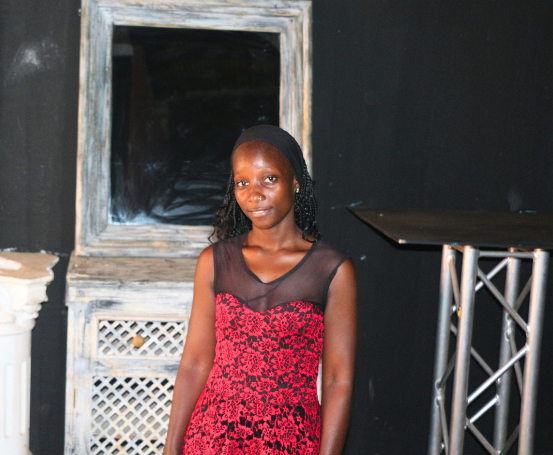
Faith’s journey began with frustration and unfulfilled potential. After finishing P.7, she stayed home helping her mother with household chores, but this work brought no income and offered no future. “I felt like a burden to my mother and had lost hope because I couldn’t continue my education, ” Faith recalls, describing the despair that defined her days. The financial reality was harsh. Faith’s family survived on her mother’s small garden, which produced just enough to keep them fed but nothing more. With no money for school fees, Faith’s educational journey had ended abruptly, and with it, seemingly all her prospects for a better future. But Faith possessed something crucial – a friend who told her about SEED. “She told me they were teaching girls skills for free, so I decided to go and see for myself, “ Faith explains. That decision to investigate, to take a chance despite her circumstances, would change everything. At SEED, Faith received training in multiple areas: soap making, bookmaking, and tailoring. But it was tailoring that captured her imagination and passion. “The most important thing I learned was tailoring, “ she explains. “I always wanted to know how to sew clothes. Now I can sew my own clothes and also for other people. “ The training period wasn’t easy. Like many SEED participants, Faith faced the challenge of distance – a long daily walk from home to the training center. She often arrived exhausted,her legs aching and energy depleted. “Sometimes I would reach when I am very tired, “ she recalls, “but I had to sit down and learn.”This determination to push through physical discomfort and fatigue demonstrates the value Faith placed on the opportunity. She understood that this was her chance to acquire skills that could change her life trajectory, and she refused to let obstacles derail her progress. The teachers at SEED were kind and patient, creating an environment where tired, often discouraged young women like Faith could learn effectively.
This shift from burden to contributor represents more than economics. It reflects a fundamental change in self-perception and family dynamics. Faith no longer depends entirely on her mother; instead, they support each other, sharing the responsibility for household needs. The money Faith earns sewing clothes goes toward food, soap, and other household essentials. But beyond these immediate needs, she has begun saving for the future, planning for expansion and growth. The girl who once saw no path forward now confidently makes plans and sets goals. Faith’s transformation illustrates how vocational training can unlock potential and restore hope. From a girl who felt helpless and burdensome, she has become a skilled craftswoman contributing to her family’s wellbeing and building a future on her own terms.
This supportive atmosphere proved crucial for building both technical skills and the confidence needed to use them. Receiving her start-up kit – a sewing machine and fabrics – marked a turning point. “It was the best moment for me, “ Faith says with visible emotion. She started her business at home immediately, and customers began arriving. People brought clothes for repairs and commissioned new garments, giving Faith her first taste of entrepreneurship.Today, Faith’s tailoring business provides steady income that has transformed her family role. “Now I feel I am a useful person, “ she explains, the pride evident in her voice. “Before, I felt like a burden to my mother, but now I can also contribute some money for food and other things at home. “

Leave a Reply

Your email address will not be published. Required fields are marked *